

- 21 April 2026
- Return
Between excess rainfall and severe frost: review of the Autumn–Winter 2025–2026 season
A short but exceptional frost event
Sub-zero temperatures not seen in nearly ten years in some production areas.
The autumn–winter 2025–2026 seasons were characterized by above-average rainfall compared with seasonal norms, with a cumulative surplus estimated at more than 140 mm over the period. This situation contributed to a significant recharge of groundwater aquifers and a strong restoration of soil water reserves.
This wet pattern was punctuated during the end-of-year holiday period by a short but intense frost event, with local temperatures reaching -9 to -11°C. Such thermal conditions had not been observed for nearly a decade in some production areas, marking a notable climatic event for local agricultural systems.
Continuity of distillation operations
Despite these contrasting conditions, Elixens’ distillation activity continued without interruption. Some productions from the Dauphiné–Provence supply chain were processed into floral waters, while other species were distilled throughout the seasons: geranium and peppermint mainly in autumn, followed by coniferous essences (cedar, cypress, pine, etc.) during the winter period.
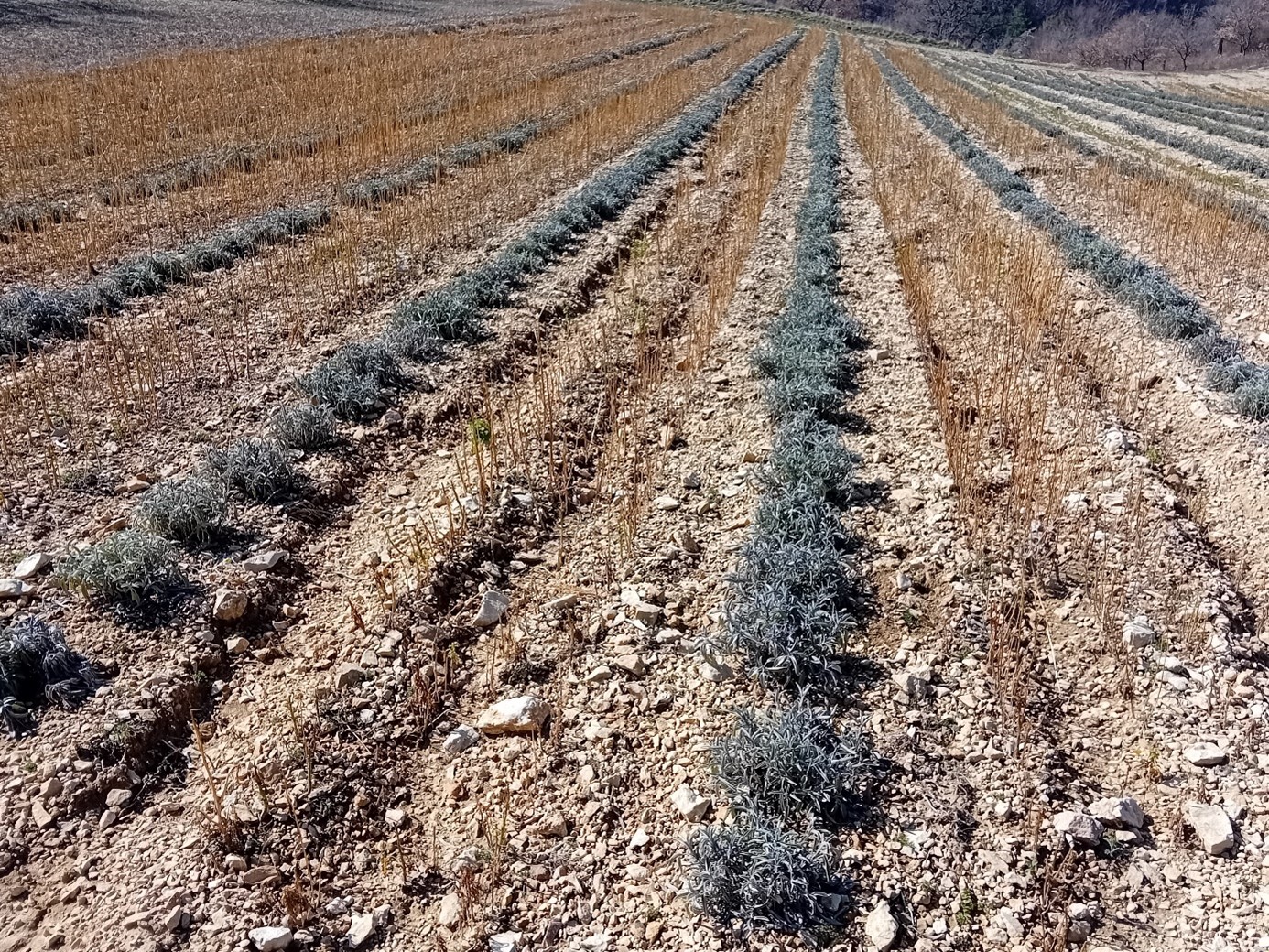
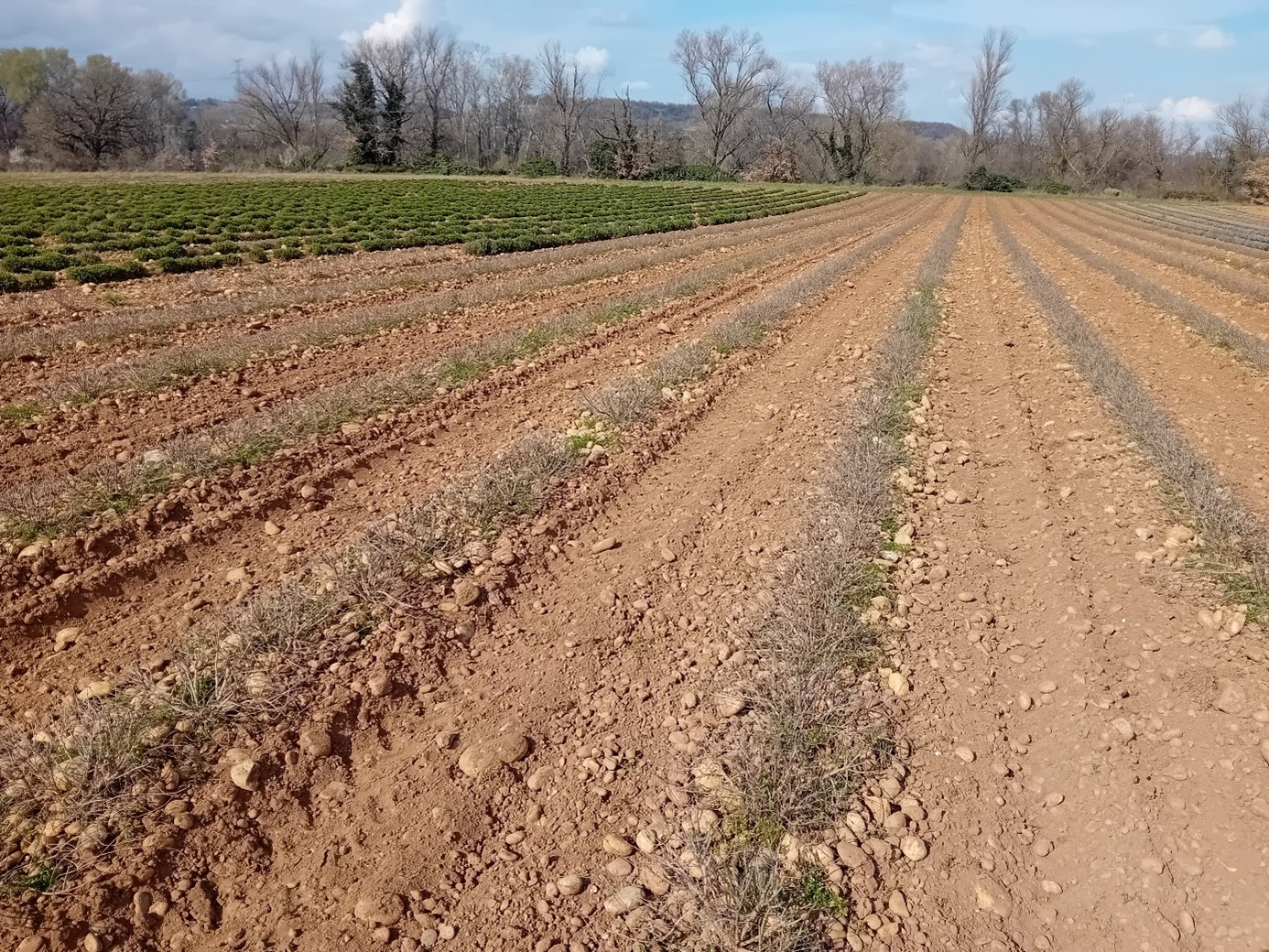
As winter comes to an end, producers enter a key phase of health assessment for perennial crops. Excess water may have locally led to root asphyxiation and plant losses in fields with limited drainage capacity. In addition, frost events caused targeted damage to the most cold-sensitive species, such as verbena or certain young autumn plantings still in the rooting stage. However, the majority of crops, well established and adapted to the local pedoclimatic conditions, are expected to show good resilience with a limited overall impact.
Resumption of field operations in spring
Weeding, fertilisation, and management of cover crops following the winter period…
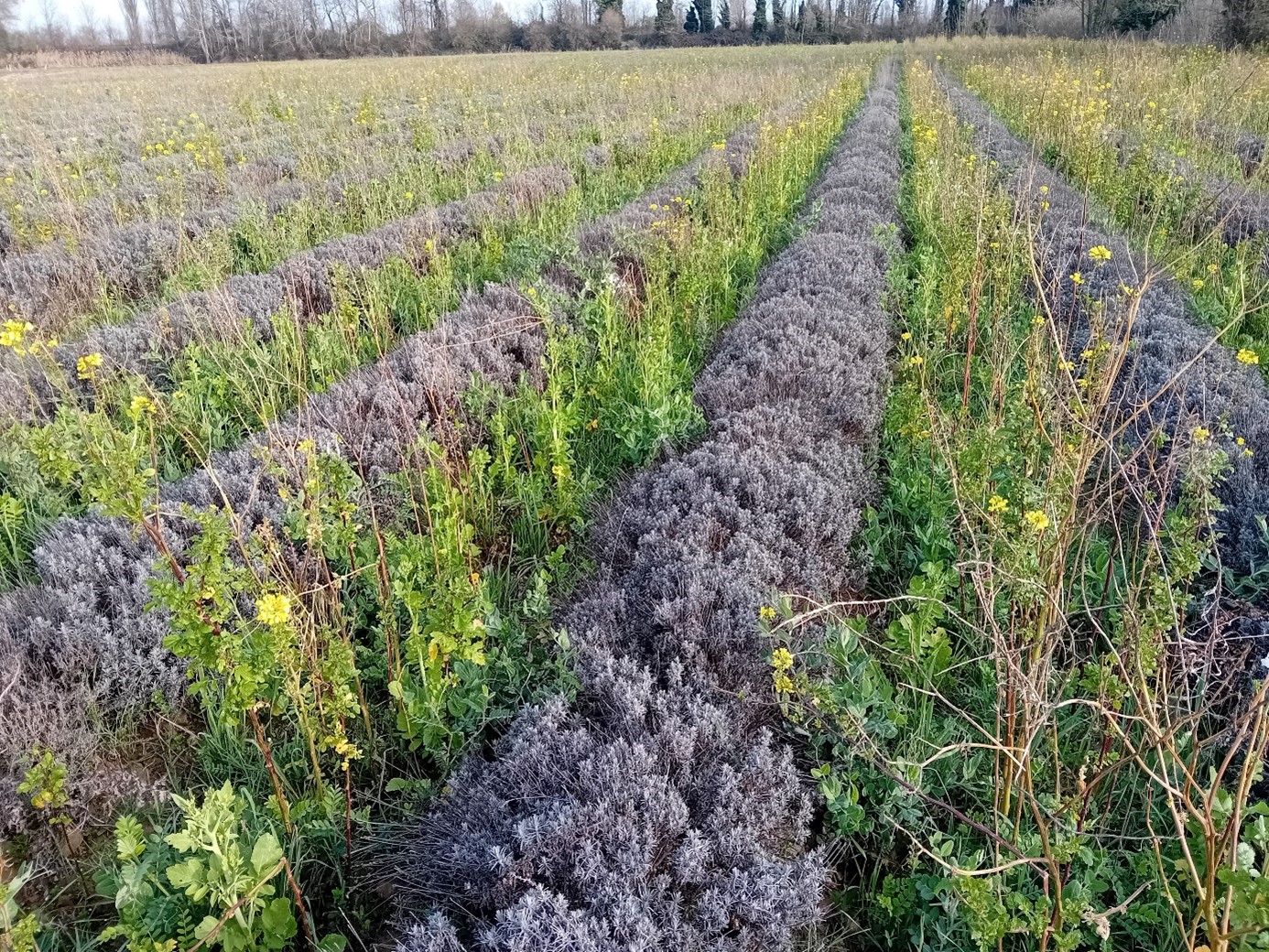
This recovery period is also marked by the implementation of the first cultivation operations, particularly weeding in perennial crops, often delayed by waterlogged soil conditions at the end of winter. At the same time, growers carry out fertilisation inputs aimed at supporting vegetative regrowth and optimising yield potential. Winter cover crops are also terminated in order to prevent any water and nutrient competition with crops entering their growth restart phase.
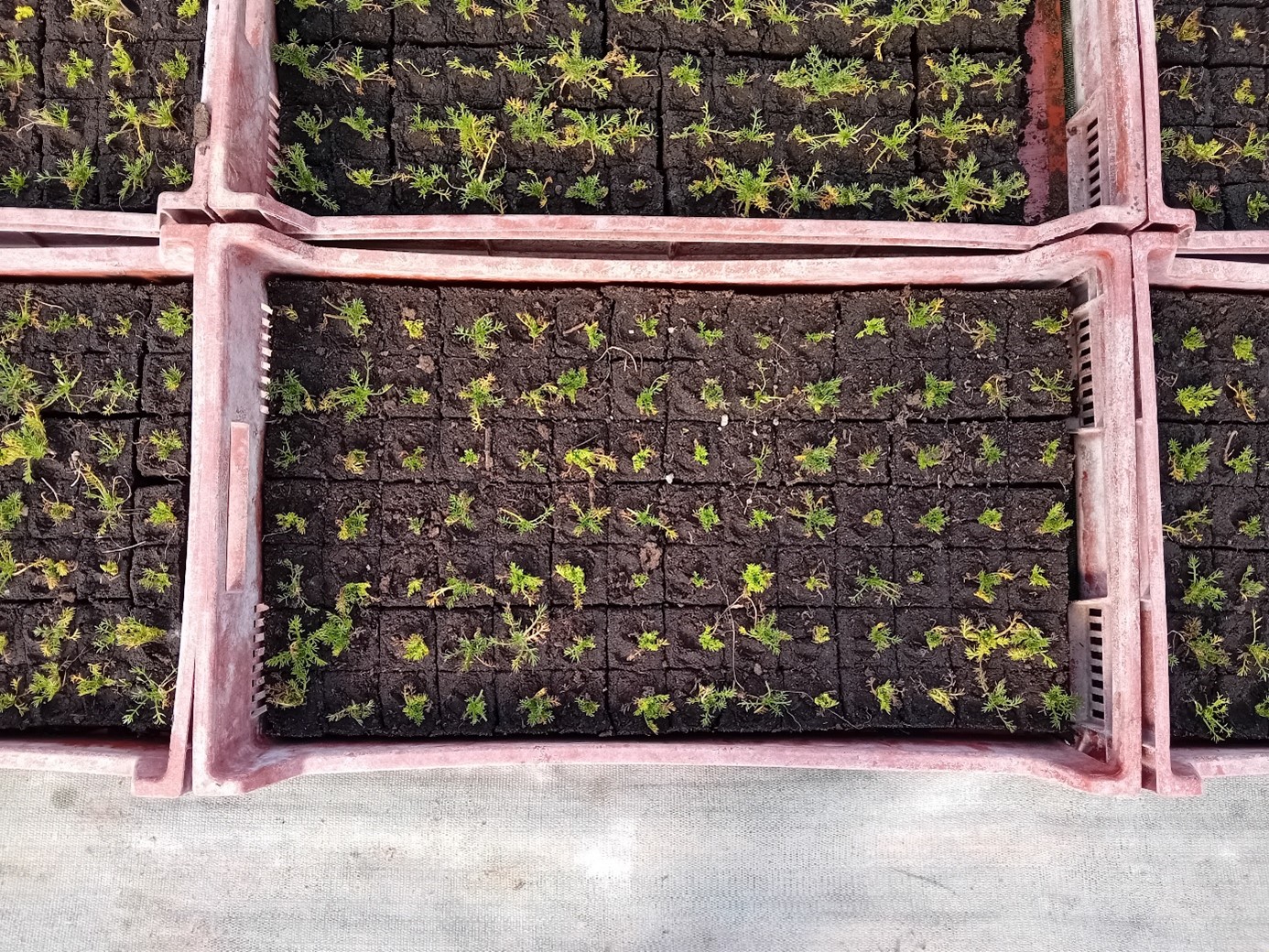
Regarding new plantings, plant production is currently strong in nurseries as well as on farms equipped with greenhouses.
Preparation and establishment of new crops: plant production, soil preparation, and organisation of planting areas on the agenda!
Nearly 50 hectares are scheduled for planting within the Dauphiné–Provence supply chain, including lavender, thyme, verbena, lemon balm, and Roman chamomile. A portion of the bare-root plantings has already been completed, while the plug-plant batches still require preparatory soil work (loosening, levelling, false seedbed preparation, etc.) ahead of planting or sowing operations, particularly for species such as calendula, mallow, and cornflower.
Once sowing and planting operations are completed, a strong competitive phase begins between weeds and crops, especially with the arrival of favourable spring conditions. Producers in the Dauphiné–Provence supply chain then maintain regular weed control interventions, both mechanical and manual, through to the harvest stages, particularly for crops intended for herbal medicine applications.
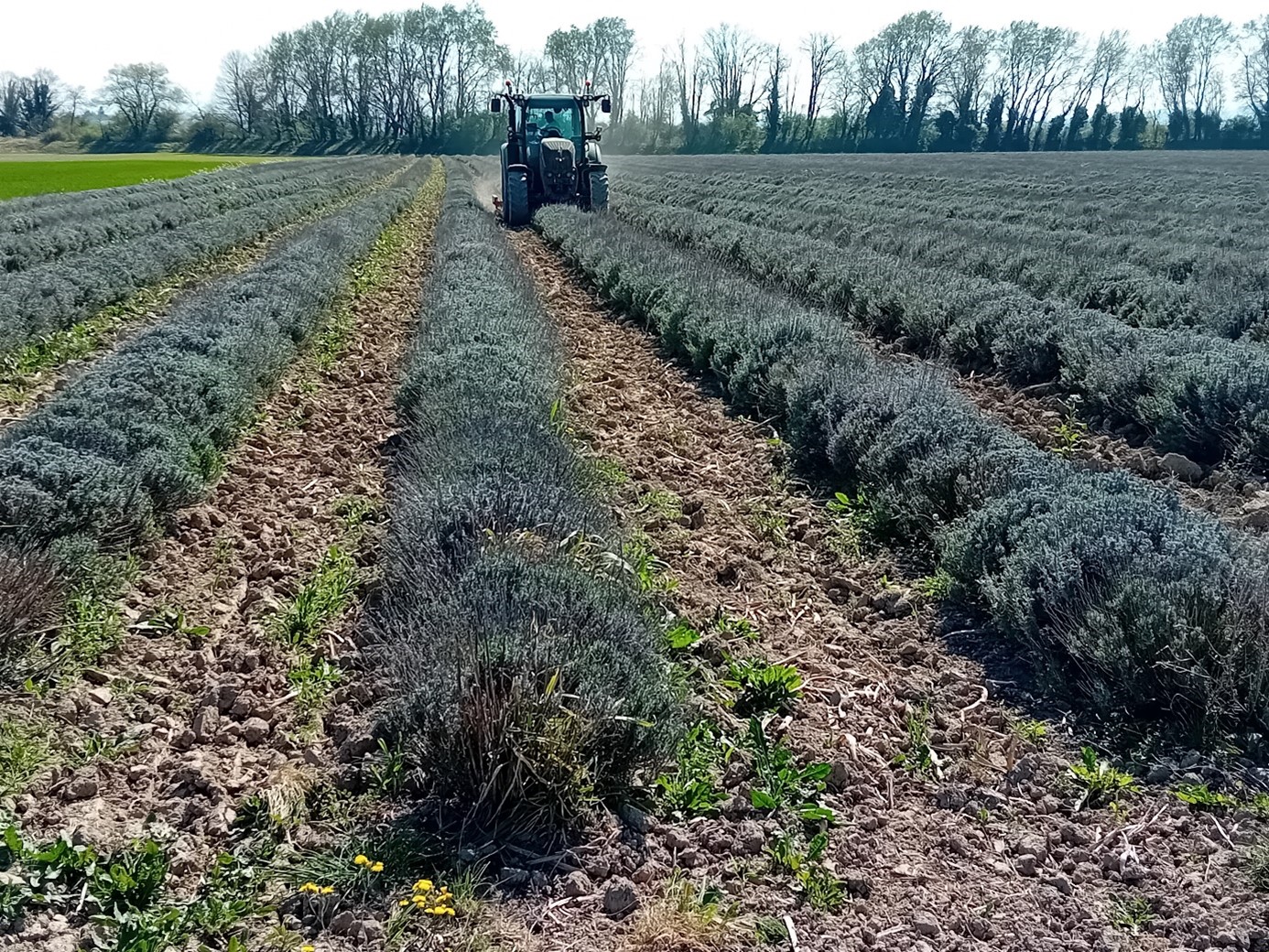
Towards the start of the production season: weed–crop competition and early harvest prospects from spring onwards…
Depending on spring weather conditions, the first harvests are expected to begin as early as the end of April.
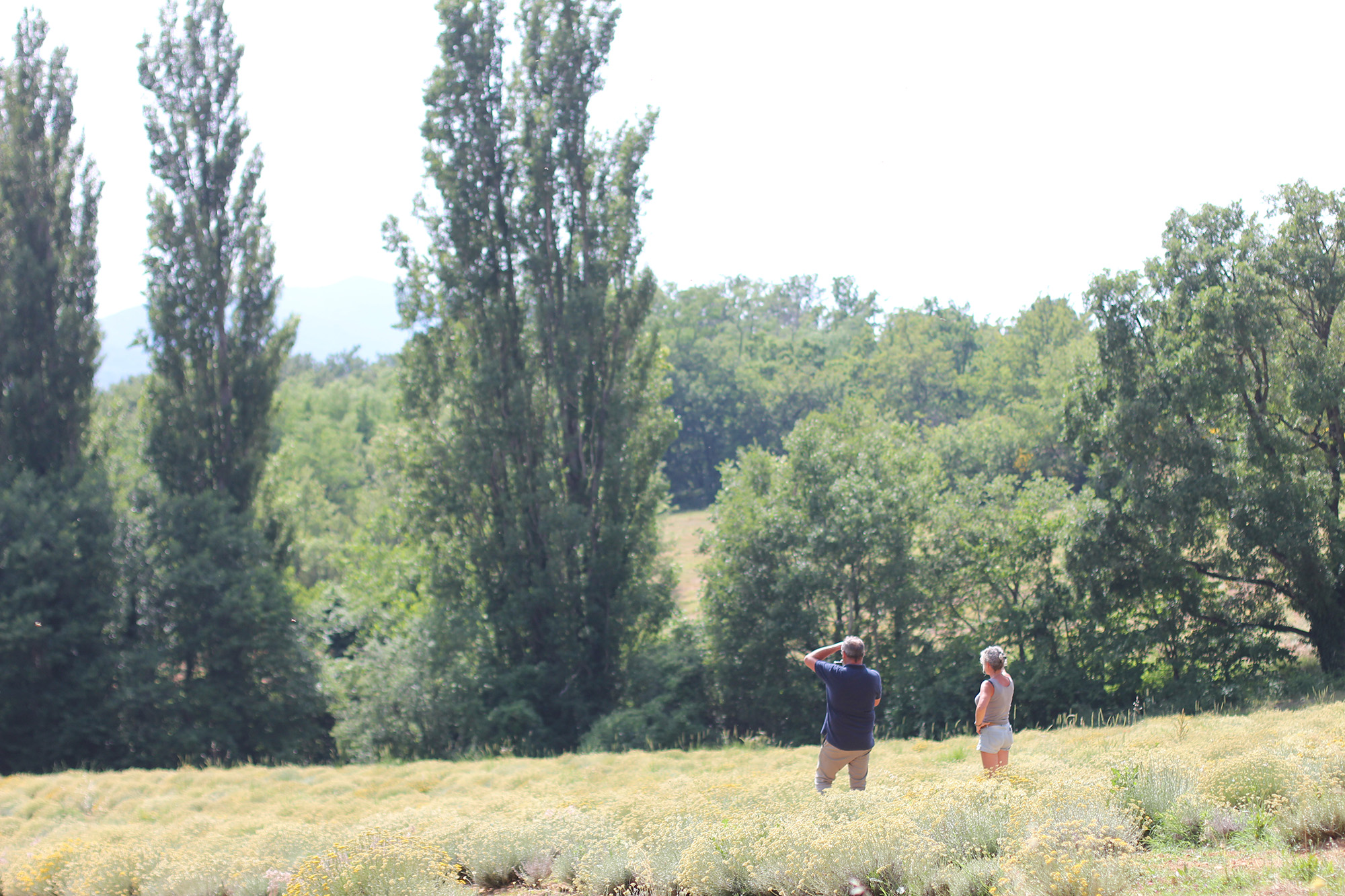
Biopartenaire®, is a highly demanding chain of agricultural, social, commercial, and environmental commitments, working towards a “sustainable future” on a living planet.
Be part of this fair trade chain too when you purchase this ingredient!
Discover our ingredients