

- 29 May 2026
- Return
In 2025, Elixens commissioned Agrinichoirs to carry out an initial generalist naturalist inventory on eight agricultural plots belonging to partners of SICA Bio-Plantes. All of the studied plots, as well as their associated hedgerows, are managed under organic farming practices.
This initiative is part of an effort to better understand the role of agroecological features, particularly hedgerows, in maintaining and enhancing biodiversity in agricultural environments.
Objectives of the inventory
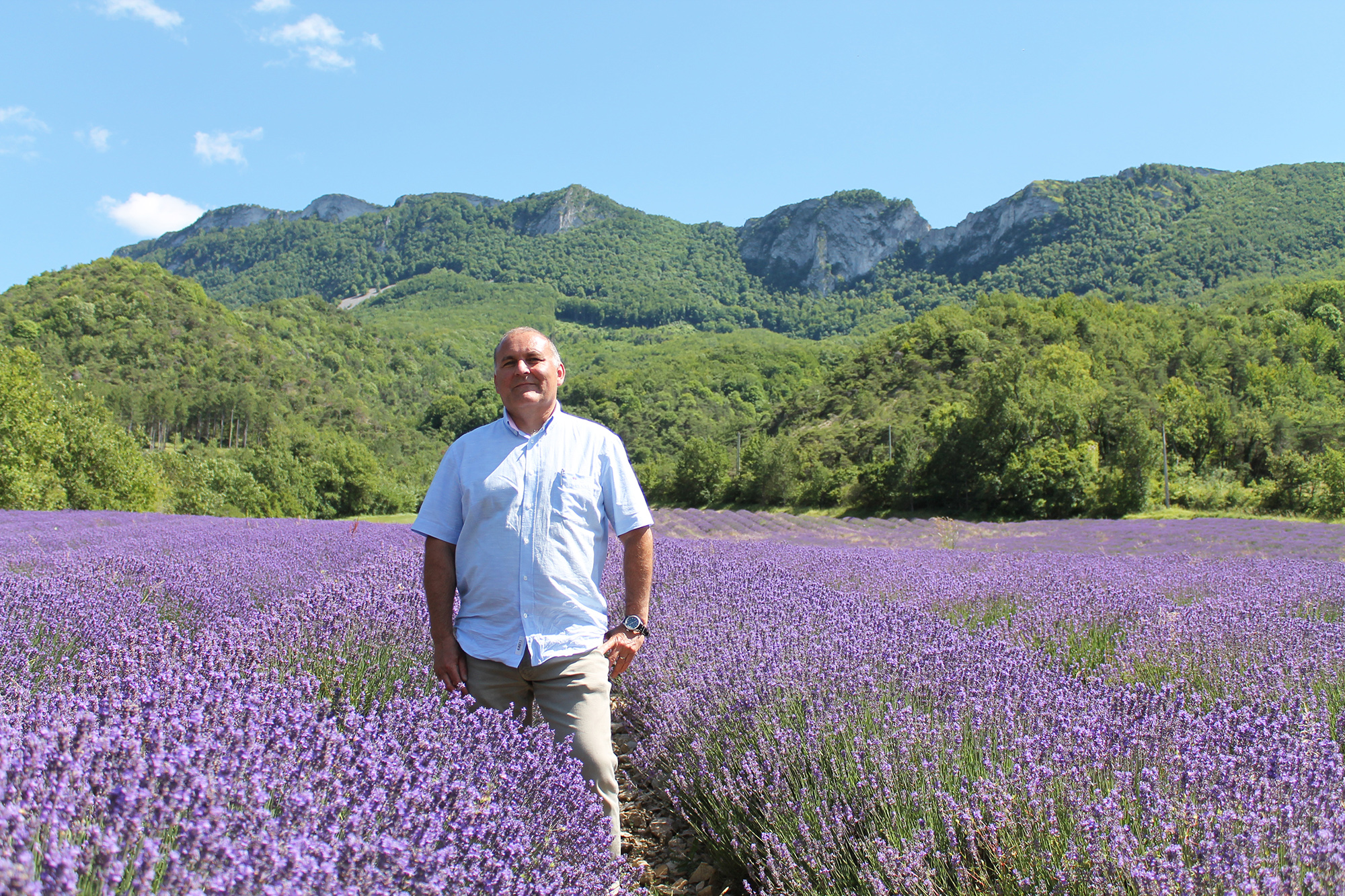
The objective of the inventory was to establish an initial assessment of the biodiversity present on the studied plots, as well as to evaluate the early effects of hedgerow planting projects on agricultural ecosystems.
Biodiversity plays a fundamental role in the functioning of agricultural landscapes. It contributes to ecosystem balance, to their resilience in the face of climatic and sanitary stresses, and to the natural regulation of populations of living organisms.
The greater the diversity of species, the more ecological interactions (predation, competition, mutualism, pollination) contribute to the overall stability of the agroecosystem.
Special attention was given to birds and bats, which are considered essential beneficial organisms in agriculture and valuable indicators of ecological quality, particularly in relation to the presence of hedgerows and tree structures.
Methodology and survey process
The naturalist surveys were conducted by a professional naturalist partner of Agrinichoirs, using a multi-taxonomic approach designed to cover a wide range of living organisms: birds, insects, bats, mammals, reptiles, and amphibians.
The aim was to maximize the detection of a large number of species within a limited observation period. Two survey campaigns were carried out, in late spring and during the summer.
Each visit, lasting 1 to 2 hours per plot, combined several methods:
- visual searches along and within hedgerows
- branch beating and net sampling
- direct observation and listening (particularly for bird fauna)
- searching for signs of presence of mammals and reptiles
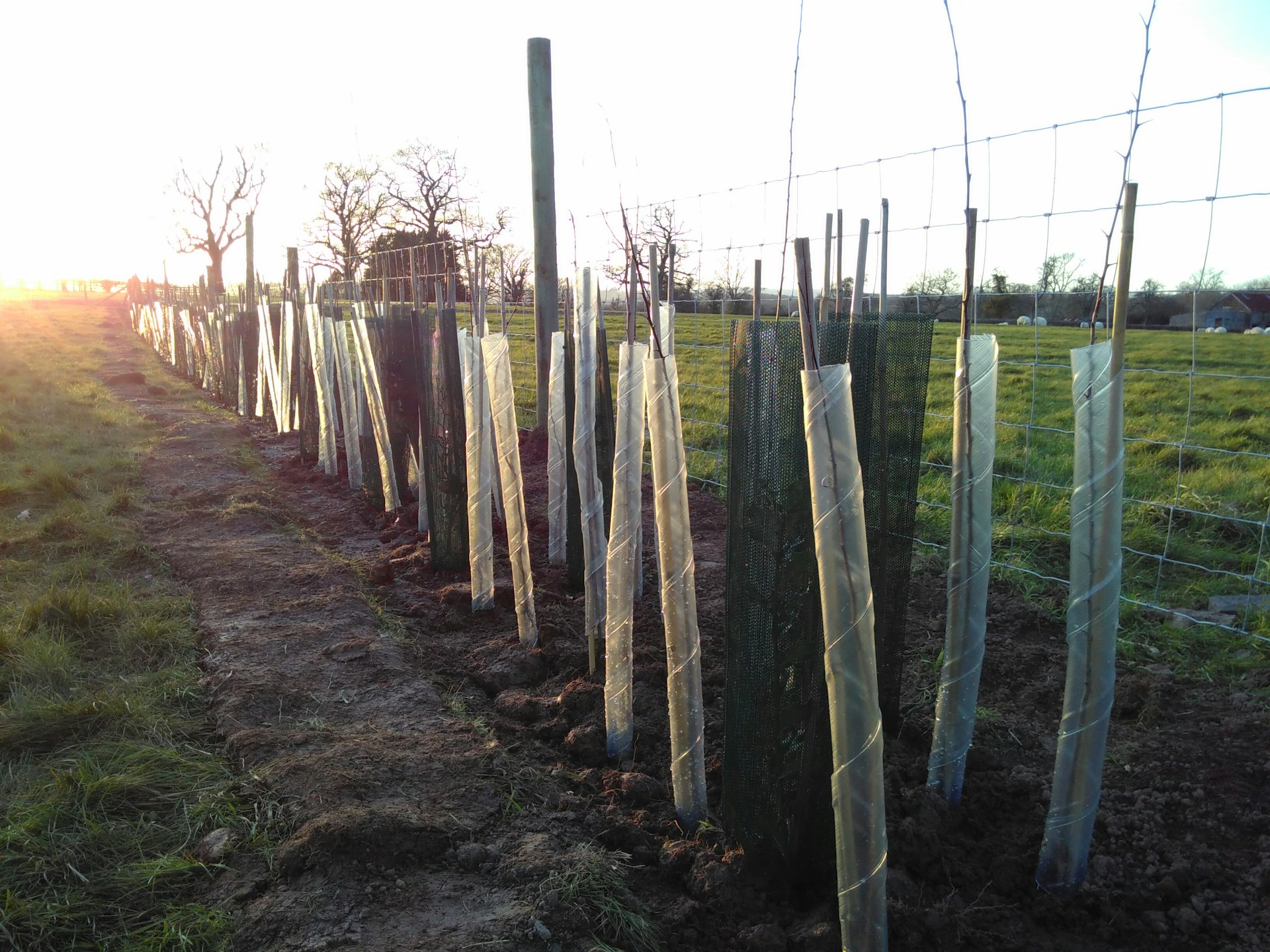
In 2025, Elixens commissioned Agrinichoirs to conduct an initial naturalist inventory on 8 agricultural plots belonging to partners of SICA BIO Plantes, all managed under organic farming practices. These plots are characterized by the recent establishment of diversified hedgerows composed of local tree and shrub species, as part of a broader strategy to enhance biodiversity and restore ecological connectivity.
The objectives of this study were twofold:
- to establish a baseline assessment of the biodiversity present
- to evaluate the early effects of planted hedgerows on agricultural ecosystems
Main Results
Beetles and Barber pitfall traps
Barber pitfall traps were installed in June for 48 hours on three sites. This method makes it possible to detect often discreet species, particularly ground beetles (carabids), which are predatory beetles that play an important role in the natural regulation of insects and gastropods (snails and slugs).
In total, 23 species were identified across the three plots, with around ten species per studied habitat. Overall, the observed diversity was comparable between hedgerows and crop areas, although there was a slight advantage in favour of hedgerows (one to three additional species).
The hedgerows already host more structured and functionally complex insect communities, particularly natural predators.
Acoustic study of bats
Bats were studied using ultrasonic acoustic detectors during the night. These species are excellent indicators of ecological connectivity and insect availability.
The results show a slightly higher species diversity above detectors placed in hedgerows compared to those in crop fields. However, the difference remains small and would require further study to be confirmed.
In contrast, the number of recorded bat calls in cultivated areas was significantly lower than in hedgerows. A large proportion of the signals detected in crop areas appear to come from individuals moving in close proximity to hedgerows:
- hedgerows are already used as movement corridors
- and sometimes as edge foraging areas
These results indicate that the planted hedgerows are already being used by several bat species as commuting routes, and occasionally as edge hunting areas. The positive effects of these features are expected to increase over time.
Overall, the bat community observed is typical of the agricultural plains of the Drôme region, with occasional presence of species associated with wetlands on some sites located near watercourses and riparian woodlands.
Daytime surveys: overall results
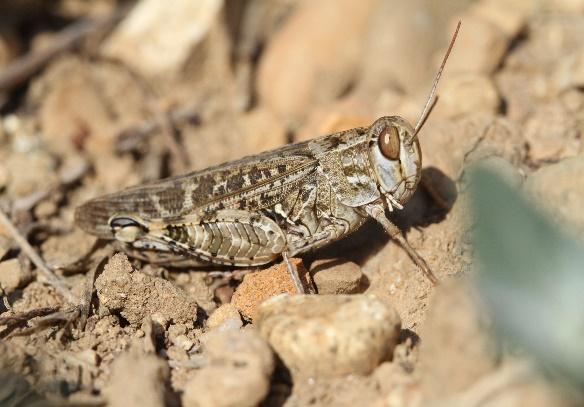
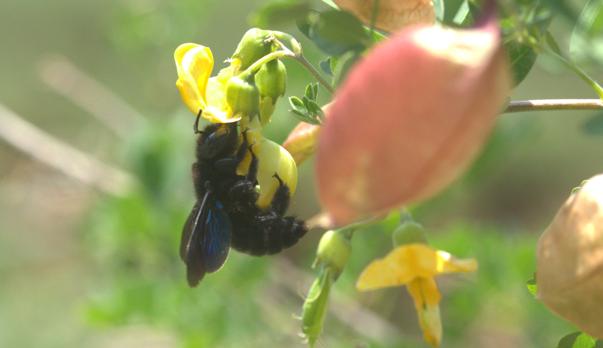
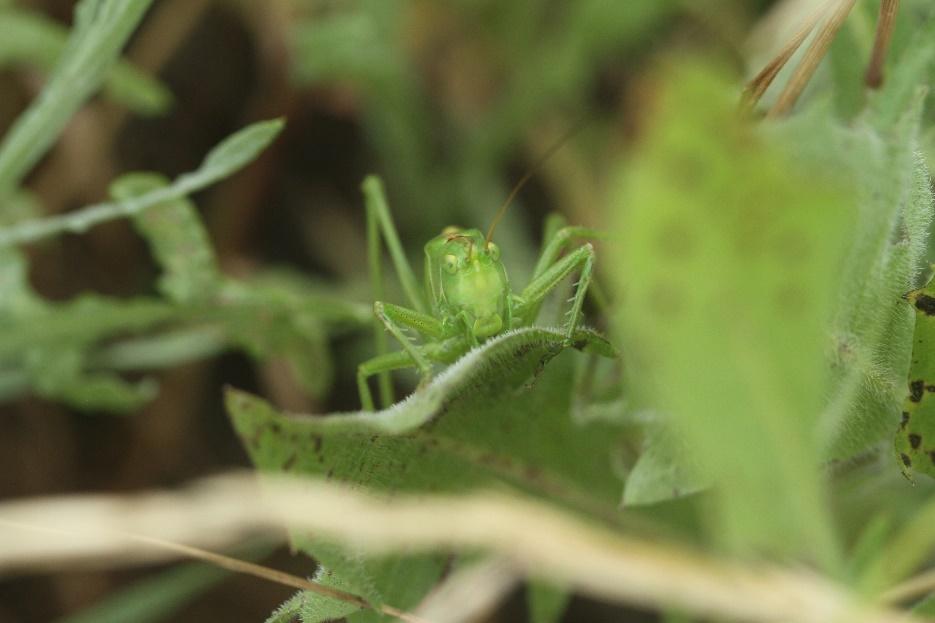
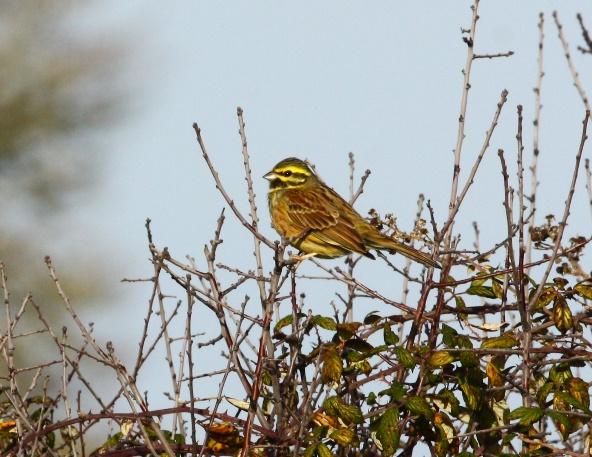
The two survey campaigns made it possible to identify approximately 180 different animal species across the 8 studied plots.
On average, nearly 80 species were observed per plot over two hours of monitoring. Among all observations:
- around 120 species were recorded in hedgerows or along their edges
- approximately 40 species were observed exclusively in crop areas
The majority of species present in hedgerows were either not observed in more distant cultivated areas, or were present at lower densities, making them less detectable.
Hedgerows therefore concentrate most of the detected biodiversity and play a central role as refuges and movement corridors. These results confirm, despite the young age of the plantings, already positive effects of hedgerows on local biodiversity.
Key Takeaways
The establishment of diversified hedgerows creates a real synergy with agricultural plots by multiplying the available habitats.
They support edge species, favour those dependent on the complementarity between open and wooded environments, and contribute to maintaining flora and fauna associated with traditional agricultural landscapes.
Beyond increasing species richness, these features sustainably enhance the biodiversity already present on the studied sites.
Full Report
This first year of inventory confirms that hedgerow planting in agricultural environments:
- quickly enhances local biodiversity
- structures wildlife movement corridors
- improves the ecological functioning of the plots
Despite their young age, these hedgerows already show measurable positive effects, particularly on bats, predatory insects, and overall species diversity.
In the longer term, these effects are expected to increase as the hedgerows mature and their ecological complexity develops.
You would like to consult:
- the detailed results
- the complete list of species observed during the inventory across the 8 sites
- a site-by-site summary highlighting the main species observed
- a comparison of sites reflecting differences in crops, hedgerows, and surrounding landscape context (roads, buildings, conventionally managed fields, etc.)
Full report → Biodiversity inventory report 2025

Feel free to consult our catalogue, contact us for any additional information, or to start a project.