
- 27 August 2026
- Return
The succession of crises we have experienced over the past few years had still left us hoping to return to a certain degree of stability.
But we now have to come to terms with living in a world that is inherently volatile. Health, geopolitical, and climate crises are following one another continuously, like pearls on a necklace.
We need to adapt our practices to this new world. We are moving from managing the average to managing the standard deviation.
The first half of 2026 provides a concrete illustration of this new reality
-
Severe and prolonged frost in the Drôme region in January: while certain species, such as verbena, had withstood frost for more than 10 years, gradually shifting from an annual to a perennial crop, a significant proportion of cultivated fields were severely affected or even lost following this year’s frost.
-
Geopolitical crisis and trade war with the United States: escalating tariffs have created additional uncertainty and pressure on international trade.
-
Geopolitical crisis in the Middle East: the war has driven fossil fuel prices — still predominantly used in our cultivation and processing operations — to record highs.
-
Heavy rainfall in April: excessive precipitation weakened certain plants, such as lavender, which are particularly vulnerable to waterlogging.
-
Successive heatwaves in June and July: extreme temperatures limited biomass production and brought flowering to a halt.
The 2026 harvests are expected to be challenging, both for dried plants and for essential oils.
In this type of environment, access to raw materials becomes a strategic priority. Resilience mechanisms need to be put in place. Securing supply chains now requires medium-term contracting, as well as mechanisms to absorb and mitigate unforeseen disruptions, such as stocks of raw materials, semi-finished products, and finished goods.
Collaboration across the entire value chain is crucial to ensuring both security and agility. The contracting model between SICA Bio Plantes and Elixens France helps limit the impact of these uncertainties, while enabling Elixens, in turn, to mitigate supply risks for its partner customers.
This model is also being developed with our conventional farming partners, as well as with some of our customers.
Please do not hesitate to let us know about your requirements for the 2026–2027 campaign, both for organic and conventional products.
Lavander vs Lavandins
July is the harvesting season for lavender and lavandin. Blue is everywhere, particularly across the south-eastern quarter of France.
It is also an opportunity to take a closer look at these two flagship French fragrance crops.
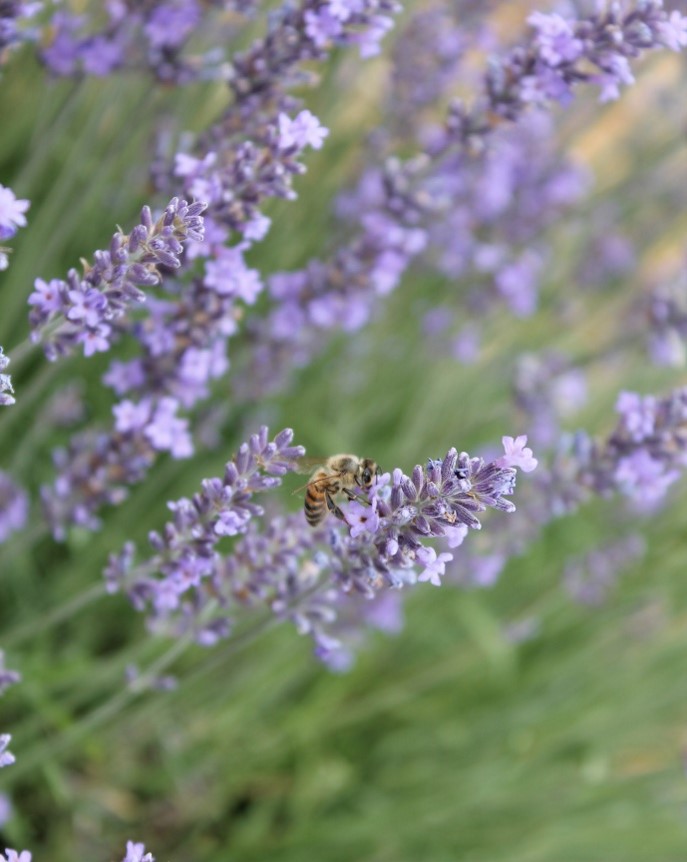
Lavender is the iconic plant of Provence. It covers approximately 6,000 hectares in France and produces more than 100 tonnes every year. To adapt to changing climatic conditions and the needs of industrial users, different varieties have been developed over the years. The subtlety and elegance of its fragrance make lavender an essential ingredient in perfume formulations for fine fragrance and cosmetics. Its properties, known for thousands of years, also make lavender essential oil a major ingredient in aromatherapy. Lavender is grown roughly equally under organic and conventional farming systems, although unfortunately a greater proportion is sold through conventional channels. It is therefore a crop that respects both the environment and the health of farmers and consumers.
Lavandin is a man-made hybrid, resulting from the crossbreeding of fine lavender and spike lavender. It came into its own after the Second World War, when washing machines became widespread in households. As traditional washerwomen disappeared, mechanical washing created a need for effective laundry products while still evoking the scent of fresh, clean linen. What could be more natural than a lavender note reminiscent of the sachets of dried lavender traditionally placed in linen cupboards? This is where lavandin began to distinguish itself from lavender. Its agronomic characteristics make it more vigorous than lavender, with significantly higher yields. The mechanisation of harvesting and distillation further strengthened its position as an industrial champion. Lavandin is widely used in fragrance formulations for functional products such as laundry detergents, fabric softeners and household cleaners. Its cost is, on average, three times lower than that of lavender, making it particularly well suited to mass-market consumer products. Its fragrance is powerful and distinctly lavender-like, with a more pronounced camphoraceous character than lavender. Lavandin has become the leading French fragrance-crop sector and the only one to remain internationally competitive.
Far from being competitors, lavender and lavandin essential oils complement each other. Their respective properties make it possible to meet a wide range of specific applications, in both organic and conventional markets. Elixens France also offers lavender and lavandin essential oils sourced through fair-trade supply chains, produced with respect for both the environment and growers.
French Lavender or Bulgarian Lavender?
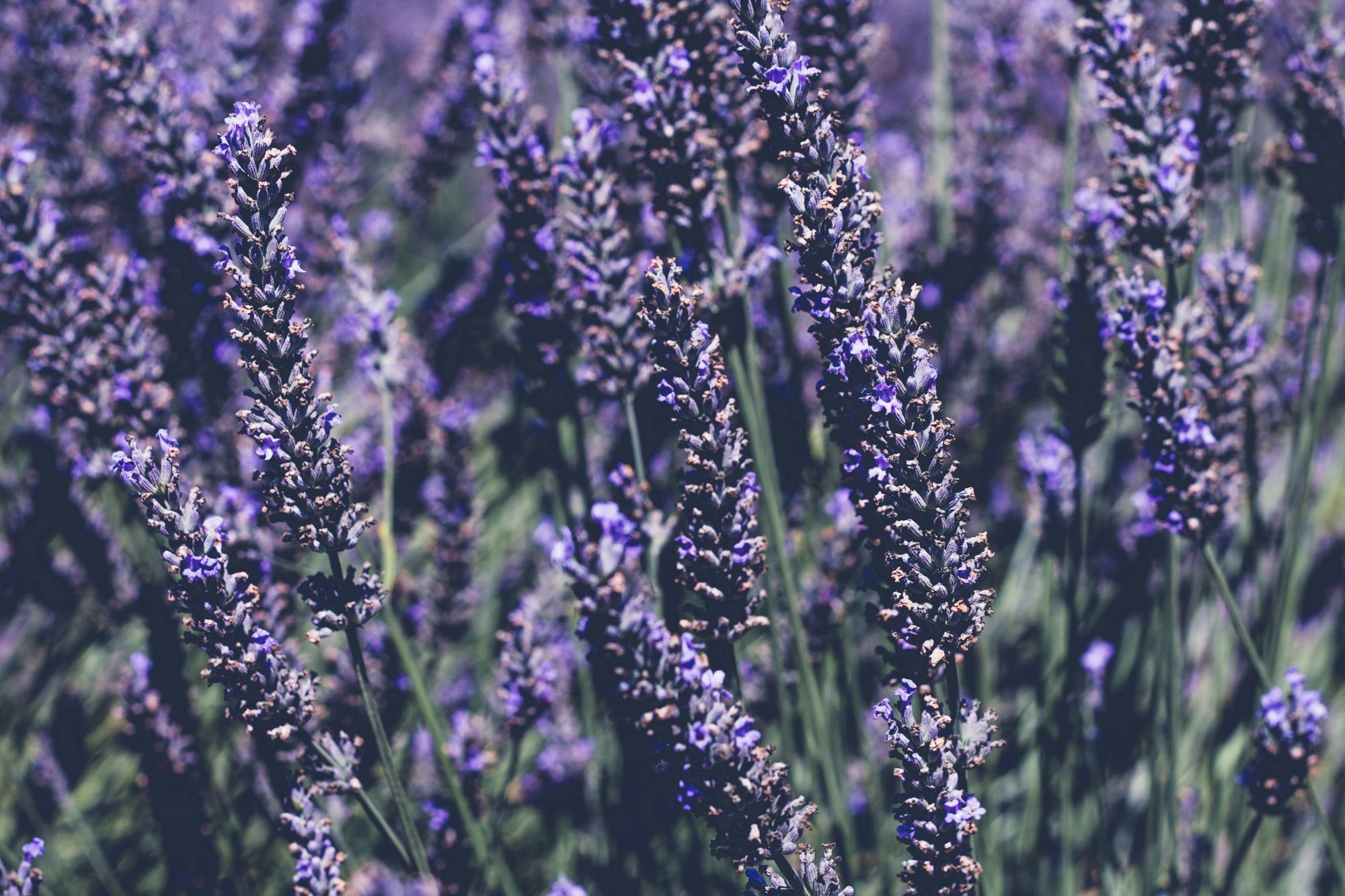
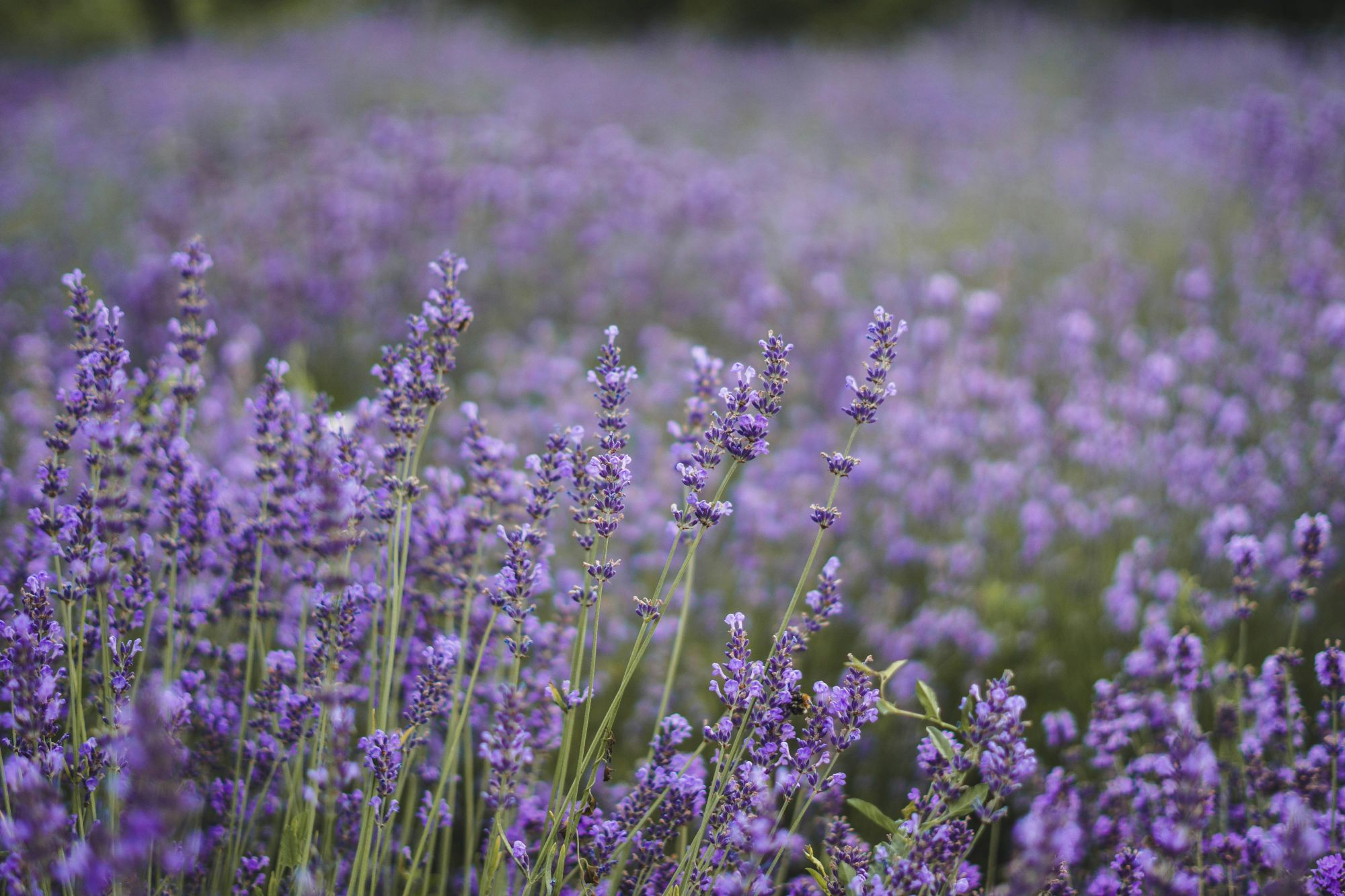
Over the past few decades, Bulgaria has significantly expanded its lavender cultivation. In certain regions, lavender benefits from particularly favourable growing conditions. The crop was probably initially developed from French lavender plants, while the climate and soils of these regions have proved highly conducive to cultivation. Support programmes, including European initiatives, have helped Bulgarian farmers and processors develop the expertise and high-performance tools needed to build up the industry.
Since 2014, Bulgaria has been the world’s leading lavender-producing country, with annual production volumes ranging from two to four times those of France, depending on the year. Lavender thrives in Bulgaria, with average yields approximately twice as high as in France. The health status of Bulgarian crops is generally good, whereas French growers regularly have to contend with crop decline and active pests. A 2023 study by FranceAgriMer highlighted — as is the case across French agricultural sectors — significantly higher production costs, driven in particular by high labour costs and what it described as France’s “technico-regulatory hypertrophy”.
At equivalent quality levels (AFNOR compliance), Bulgarian lavender costs on average 30% less than French lavender. It therefore occupies an intermediate position between lavandin and French lavender on the economic scale of “lavender” notes, meeting the olfactory and functional requirements of mid-range products.
Once again, there is no real competition between French and Bulgarian lavender. Their different production costs naturally position them in two distinct market segments. French lavender therefore needs to differentiate itself through premium applications and products, using attributes beyond price such as French origin, Protected Designation of Origin (PDO) status, organic certification, fair-trade sourcing and, for certain fine lavender varieties, superior olfactory quality.
The integration of HELPAC’s B2B business has enabled Elixens France to broaden its offering and provide a comprehensive range of lavender essential oils, all subject to rigorous quality control and sourced from regularly assessed producers. These essential oils are available from different origins — French or Bulgarian — in both organic and conventional qualities, with some products also meeting fair-trade specifications.
Lavender or Not Lavender?
Essential oils are highly complex products, defined by their method of extraction and their physico-chemical characteristics. They contain a large number of constituents, and their cost is relatively high. All these factors create fertile ground for fraudulent practices, potentially at the expense of quality.
Ensuring the quality and compliance of essential oils requires specific expertise, as well as appropriate and substantial analytical resources. Not all processors have access to these resources, which can result in products being placed on the market that are insufficiently tested or even non-compliant. Faced with this complexity, consumers are even less equipped to assess the actual quality of the product they are considering purchasing.
This topic prompted some very interesting discussions at the latest conference on Perfume, Aromatic and Medicinal Plants in the Biovallée in March, notably during a presentation by the HEPNA association, which regularly raises awareness through social media and the press about the risks of fraud and questionable practices observed in the essential oils sector.
At Elixens, we work to protect our customers and give them confidence in the quality of our products.
The first line of defence against questionable essential oil quality is the documentation package: this includes the certificate of analysis and supporting documents demonstrating the product’s compliance and placing responsibility on the supplier.
The second line of defence is long-term partnerships: sourcing from trusted producers whom we meet regularly and who are subject to frequent audits provides an additional guarantee of quality, reliability and traceability.
The third line of defence is certification and quality-management practices: the robustness of a supplier’s quality systems — reflected in their experience, rigour and level of requirements — provides a good indication of their ability to consistently control quality.
Finally, quality labels and other distinguishing attributes attached to the essential oils purchased provide valuable benchmarks for consumers. These include PDO status where applicable, organic certification, fair-trade sourcing, French origin, and other recognised quality attributes.
The number of customer complaints relating to product authenticity and integrity is a key company performance indicator. Thanks to the commitment of our Regulatory, Quality Control and Sourcing teams, no complaints have been recorded since this indicator was introduced three years ago.
For more than 20 years, Elixens has invested in obtaining and maintaining demanding certifications and labels awarded by independent organisations and based on recognised standards and frameworks, including Organic Agriculture, COSMOS, the Nagoya Protocol, FiABLE, FLOCERT, IFS Food and FFL.
These certifications and labels strengthen our ethical, regulatory and industry credibility, both across our own sites and throughout our network of producer partners.